The Practical Guide to Choosing the Right Distillate for Dabbing
If you have spent any time around cannabis concentrates, you know the variety can get overwhelming. Between live resin, rosin, BHO, and the various distillates on the market, each product behaves differently on a hot quartz banger. Over the years I have tested a fair share of these materials, and I keep coming back to one thing: the consistency and potency of a good distillate for dabbing. It is not just about getting high - it is about how the vapor forms, how the flavor lands, and how clean the experience feels from the first draw to the last.
Distillates are a broad category within cannabis concentrates. They are produced through processes that separate cannabinoids and terpenes from the raw plant material, often using heat or solvents. The result is a refined oil that can range from a syrupy liquid to a semi-solid paste. When you are shopping for a distillate for dabbing, you are looking for something that vaporizes evenly, leaves minimal residue, and delivers the effects you expect without harshness. That sounds simple, but the differences between delta 8 and delta 9 distillates alone can change your whole session.
Understanding Delta 8 and Delta 9 Distillates
Delta 9 tetrahydrocannabinol is the cannabinoid most people associate with the psychoactive effects of cannabis. Most traditional cannabis concentrates are rich in delta 9. Delta 8, on the other hand, is a lesser-known cannabinoid that offers a milder, clearer experience. Both can be found in distillate form, and both work well for dabbing, but they feel quite different. I have seen people new to concentrates get overwhelmed by delta 9 distillates because the effects can hit hard and fast. Delta 8 distillates tend to be more forgiving, which makes them a good option for someone who wants the ritual of dabbing without the intensity.
When you buy a distillate for dabbing, check the label for the cannabinoid profile. A product labeled as delta 8 distillate usually has undergone processing to isolate that specific compound, while delta 9 distillates are more common and often less expensive. Both are cannabis oils, but their molecular structure changes how they interact with your endocannabinoid system. In practical terms, that means a delta 8 dab might leave you feeling functional and clear-headed, while a delta 9 dab can settle you into a deep relaxation. Neither is better - they serve different moments and different tolerances.
Hardware Matters: Matching Your Distillate to Your Setup
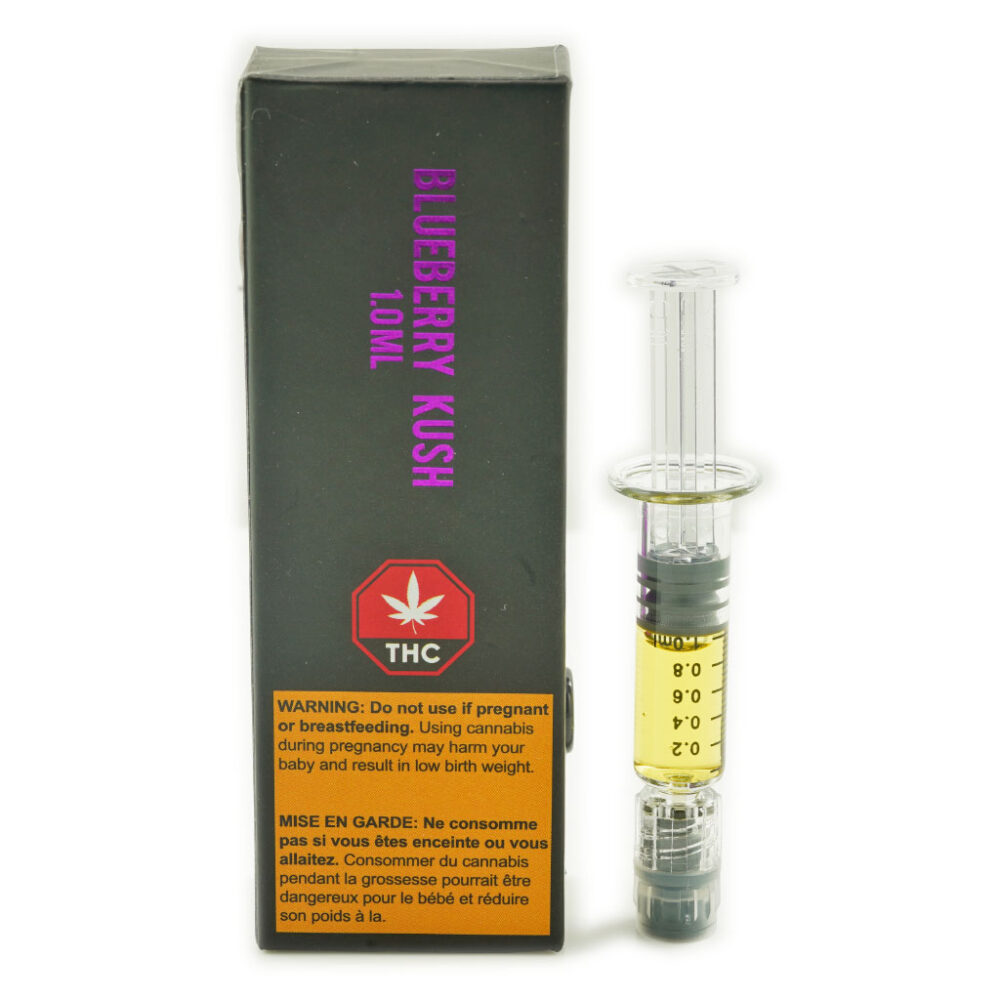
The distillate you choose interacts directly with your dab rig and heating method. A thick, viscous distillate might work fine with a torch and quartz banger, but a thinner oil could run down the neck of the banger before you even cap it. I learned that the hard way with a runny batch of live resin that turned my first dab of the evening into a cleanup job. Since then I have paid more attention to consistency.
For a standard torch-and-banger setup, a medium-thickness distillate is easiest to handle. You want something that stays put on the quartz banger long enough to vaporize, but not so thick that you need to heat the banger to extreme temperatures. Overheating can degrade the cannabinoids and ruin the flavor. A good technique is the cold start: load your distillate into the banger while it is still cold, then apply heat slowly until the material begins to vaporize. This method works especially well with distillates because they usually have a lower vaporization point than raw concentrates like rosin or live resin.
If you use an e-nail or a device like the Puffco Peak Pro, you have more control over temperature. These setups allow you to dial in the exact heat for your specific distillate. I keep my e-nail around 480 to 520 degrees Fahrenheit for most distillates. At that range, the vapor is smooth and the flavor profile of the cannabis oil comes through clearly. Adding terp pearls inside the banger helps distribute the heat and creates more surface area for the distillate to vaporize. A good carb cap is also essential - it controls airflow and helps you milk the vapor without wasting any.
Extraction Methods and Their Impact on Dabbing
Not all distillates are made the same way, and the extraction method affects how the final product behaves on your dab rig. Here are the most common methods you will encounter:

- Solventless extraction - uses only heat and pressure, no chemicals. Rosin is a popular solventless product, but distillates made this way tend to be more waxy and may leave residue if not purged well.
- CO2 extraction - uses carbon dioxide under pressure to separate cannabinoids. This method produces a very clean cannabis oil that works beautifully for dabbing, especially with cold starts.
- BHO (butane hash oil) - uses butane as a solvent. BHO distillates are common and affordable, but they can have a slight solvent aftertaste if not purged thoroughly.
- Ethanol extraction - uses food-grade alcohol. This method yields a thin, runny distillate that can be tricky to load but offers excellent flavor.
Each method has trade-offs. Solventless distillates preserve the full spectrum of cannabinoids and terpenes, which gives a richer flavor, but they are often less potent by weight. CO2 extraction concentrates specific cannabinoids like delta 8 or delta 9 very effectively, so you get a more targeted effect. BHO is the workhorse of the distillate world - it is consistent and widely available, but I avoid it for low-temperature dabs because the solvent notes can become noticeable. If you care about flavor above all, look for a solventless or CO2 extracted distillate.
Practical Tips for Handling Distillates
Distillates are more fluid than most solid concentrates, so handling them takes some practice. Here are a few things I have picked up from trial and error:
- Use a metal or glass dab tool with a small scoop or flat end. A round tool lets the distillate slide off before you can load it.
- Store your distillate in a cool, dark place. Heat turns it runny, and light degrades the cannabinoids over time.
- If your distillate is too thick to work with, warm the container slightly - a few seconds on a warm surface, not direct flame.
- For thin distillates, a cold start is almost mandatory. Droplets of runny oil can fall off the tool or drip into the banger neck if you try to drop them onto a hot surface.
- Clean your banger after every few dabs. Distillates leave behind a thin film that builds up and affects taste.
One thing I have noticed is that many people assume all distillates are the same. That is not true. The same distillate for dabbing can behave completely differently depending on the ambient temperature, the age of the product, and even the humidity in the room. If you are having trouble with a particular batch, try adjusting your technique before blaming the product. Lower your temperature, use a carb cap, and give the distillate time to vaporize evenly.
Final Thoughts on Finding Your Fit
The world of cannabis concentrates is deep, and distillates occupy a sweet spot between potency and versatility. Whether you are loading a dab on a quartz banger with a torch or dialing in your Peak Pro with terp pearls spinning, the right distillate for dabbing can elevate the entire session. Pay attention to the cannabinoid profile, the extraction method, and the consistency of the oil. A little trial and error is part of the process, but once you find a distillate that matches your rig and your tolerance, it becomes your go-to.
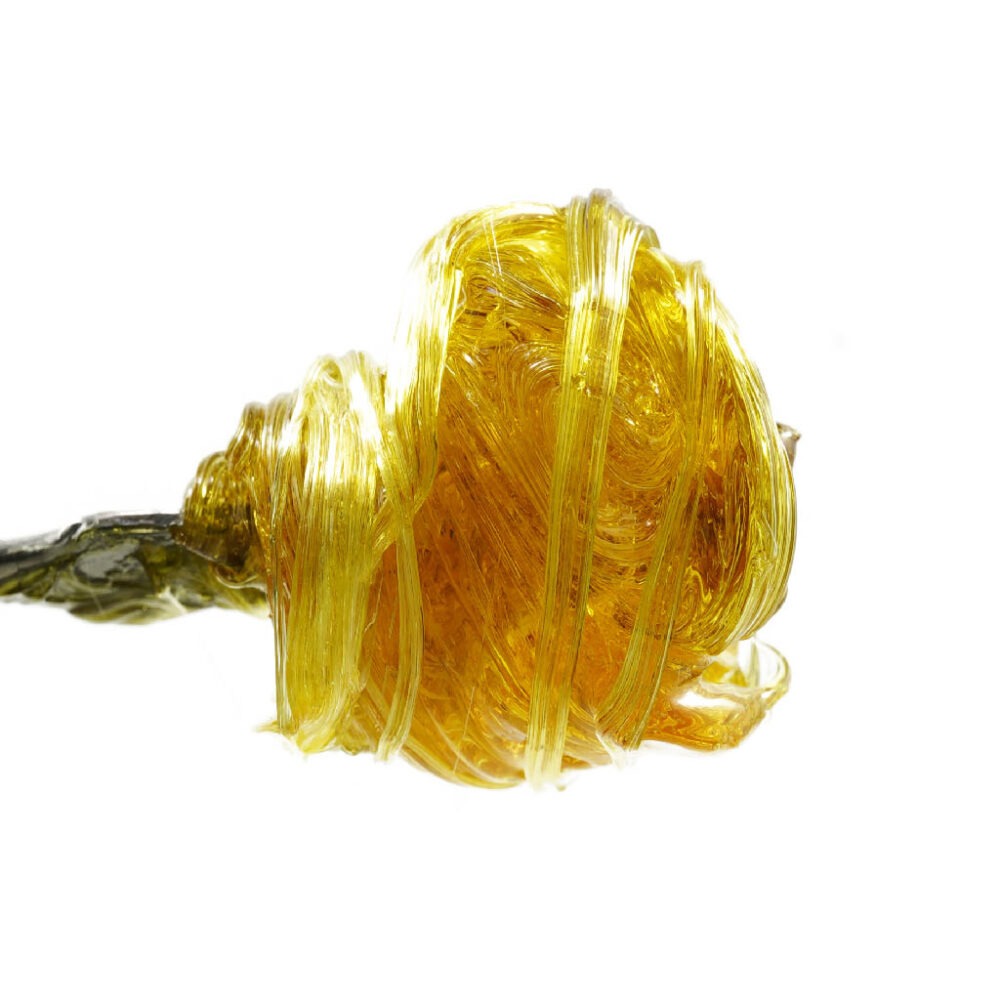
I still keep a jar of live resin on hand for days when I want a more complex flavor, and a rosin press for special occasions. But for everyday dabbing, a clean distillate is what I reach for. It delivers predictable effects, smooth vapor, and minimal cleanup. That consistency is hard to beat.